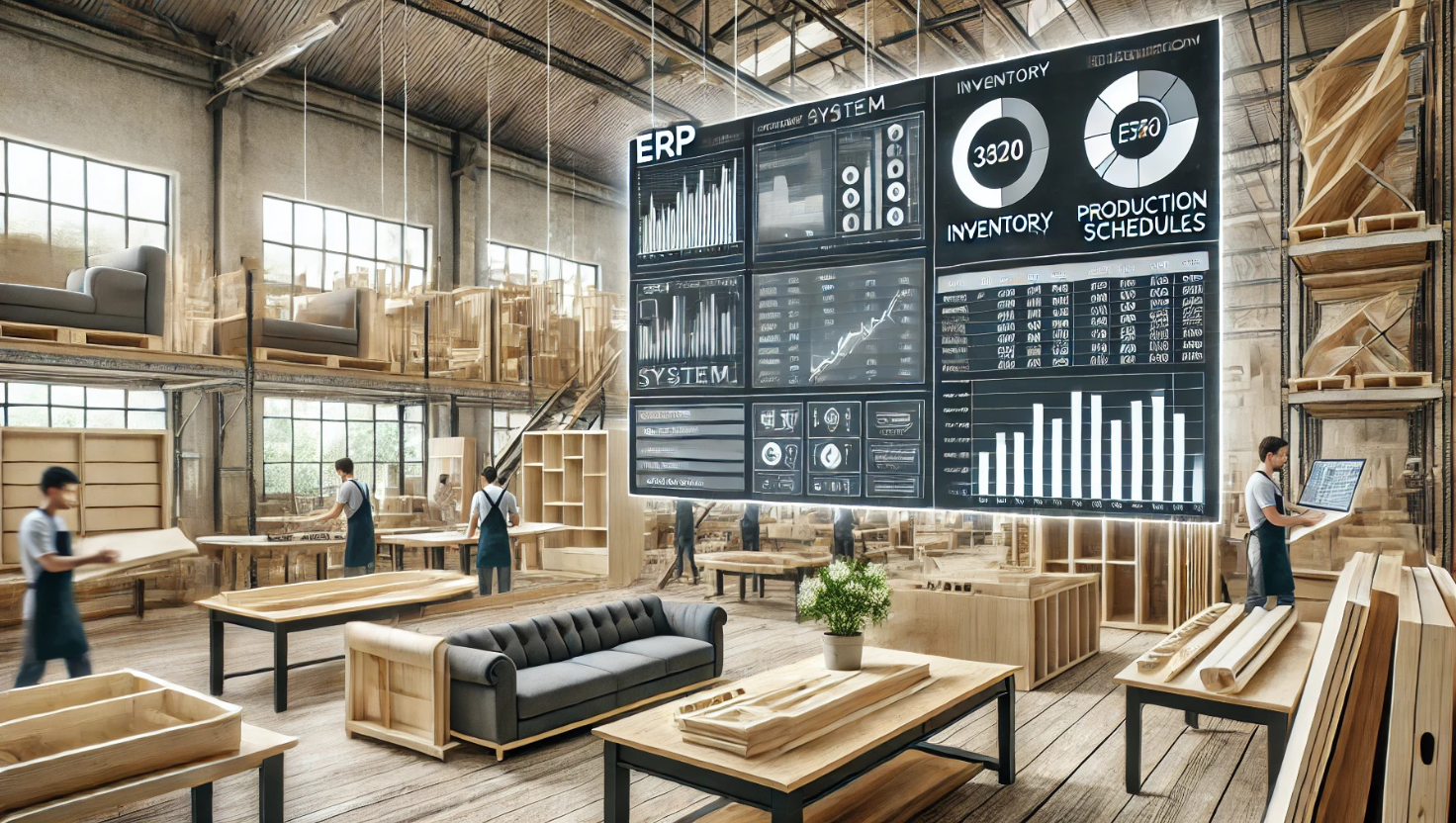
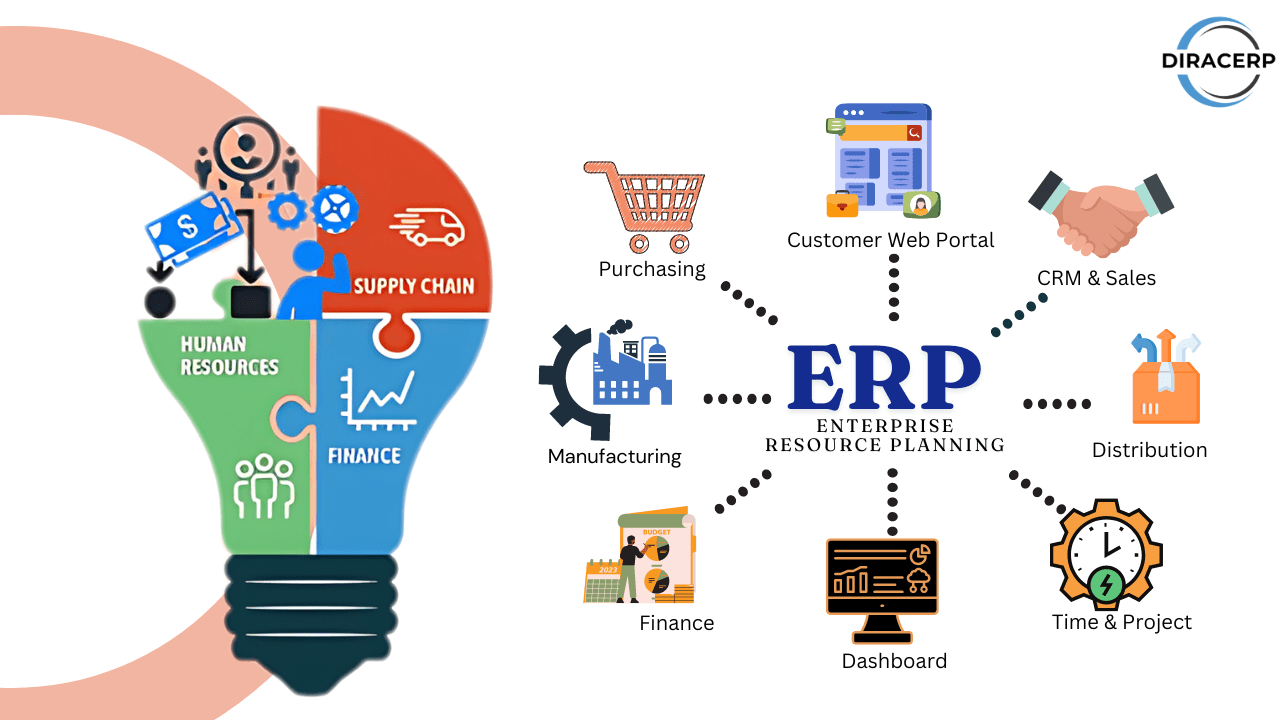
Online shopping now demands consumers to receive smooth service combined with quick delivery along with personalised experience focused particularly on furniture requirements. Company success in today’s market requires solid business systems whose disciplined implementation produces better results. The implementation of enterprise resource planning (ERP) systems stands as one of the essential parts for businesses. The implementation of correctly chosen ERP for furniture industry solutions enables manufacturers along with retailers to optimise their operation processes while generating better inventory control, maximising production, and delivering improved customer satisfaction. What is an ERP System? ERP solutions are comprehensive software programs that unite all business procedures from inventory management through order processing to accounting and human resource management and customer relationship systems. An ERP system forms the operational foundation for furniture manufacturers and retailers to track operations at every point and maintain high-efficiency standards. The Need for ERP in the Furniture Industry The Furniture Industry requires ERP implementation because of the following. 1. Complex Inventory Management Organisations that produce furniture need wood along with fabrics and metal components in their production process. Managers face difficult challenges while tracking inventory across multiple warehouses, and they need to monitor stock levels. A complete ERP for furniture systems provides companies with the following capabilities: An integrated system allows businesses to track inventory movements instantly; thus, they can avoid issues with stockpile and deficiency. A system must automate quantity replenishment through the use of statistical sales data. The system should provide comprehensive material tracking capabilities and completed product tracking functionality. 2. Production Planning and Optimisation The production process of furniture includes an assortment of activities that begin with the purchase of materials and extend through the assembly process and completion of work. An ERP system streamlines these processes by: The production operation relies on planning schedules that integrate consumer request levels with available resources. The efficient management of work orders produces fewer operational hold-ups. The system allows users to obtain a continuous view of their production operations. 3. Seamless Supply Chain Management ERP Software for furniture systems that integrate well connect furniture manufacturers with their suppliers to handle business relationships, procurement processes, and logistics activities. With ERP, businesses can: Track supplier performance together with lead times as an essential method to guarantee material arrives on time. Companies can minimise procurement flaws through demand prediction and waste streamlining systems. Companies need better supplier cooperation to enhance cost performance. 4. Enhanced Order Management and Customer Service People who shop today require a seamless purchasing journey. An ERP system provides several order processing optimisation features, which include: The system performs automated work on order tracking in addition to invoicing functionality and delivery scheduling operations. A successful system manages complicated product specifications together with client-specific order requirements. The integration of customer relationship management (CRM) systems with the product will improve both customer communication and service quality. 5. Financial and Compliance Management Any business needs precise financial information reporting and absolute regulatory adherence for healthy operations. An ERP system ensures: Using automated platforms for tax calculation together with invoicing and financial reporting operations. Budget tracking and profitability analysis. Compliance with industry regulations and safety standards. Choosing the Right ERP for Your Furniture Business The achievement of successful furniture business operations requires selecting the perfect ERP system. Companies operating in the furniture business need ERP systems, which possess a few key components. Your organisation requires customisation tools to set up products with variant management features for handling personal requests. A suitable ERP solution should scale up to support expanding businesses that need management of multiple inventory locations and order processing required for business expansion. It should offer compatibility with design software for product visualisation. Another important factor is a user-friendly interface. Simplified navigation for non-technical users is essential. With cloud-based access gives users complete freedom to manage their operations from any location. Conclusion Choosing the optimal ERP for furniture industry enables business improvement through operation optimisation and efficiency enhancement, as well as better customer experiences. ERP system programs, when well executed, allow organisations to achieve manufacturing, inventory and supply chain excellence along with precise accounting and regulatory compliance. DiracERP Solutions is a top company with 15 years and more experience in ERP implementation and providing world-class Odoo-based open-source solutions. Our skills include service segments along with manufacturing and supply chains. This allows us to deliver tailored and effective solutions for businesses of all sizes. Contact us today to discover how our ERP solutions can transform your furniture business.
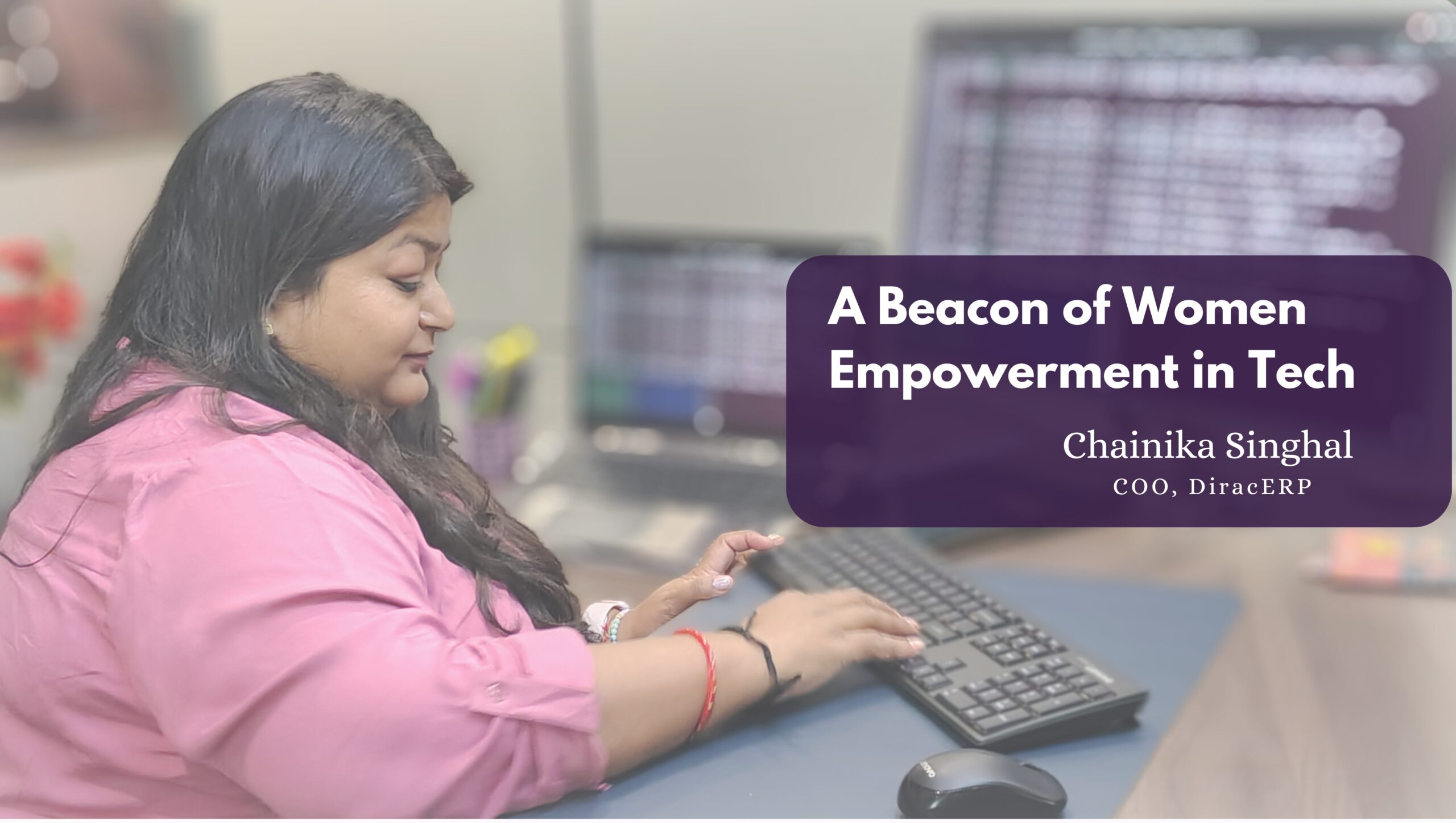
Chainika Singhal : A Beacon of Women Empowerment in Tech
A Girl with Limitless Dreams What all can a girl raised in a middle-class family in 90s Baraut, Baghpat, Uttar Pradesh, achieve? Much to your joy, Chainika Singhal would say she is limitless– she can even be the Chief Operating Officer in a complex ERP technology company catering to multiple industries. Ms. Chainika Singhal is a living proof. Growing up in a traditional Indian household, she always dreamt beyond what everyone around her thought was possible. She was passionate, curious, and creative – always trying to do her best and beat her best in the next. Going beyond the conventional expectations for a girl of her time, she completed her B.Tech and processes to ace her M.tech. A computer science degree opened up a new universe of tech progress and opportunities for her. India was on the tech-boom then and it seemed like an opportune moment to pursue the path of engineering and technology. She soon joined as a lecturer in VITS Ghaziabad. She found joy in teaching her students and learning new technologies. The job was fulfilling to an extent, but her calling to do something great was vehement. She was looking for something challenging, a chance to create a revolutionary tech product. She took a leap of faith and ventured into freelancing, starting with open-source ERP (now Odoo), working on the project design and delivery. This was the time for her technical knowledge to shine through. She worked extensively on learning the intricacies of ERP systems, project execution, and customer engagement. She was able to implement her academic learning in a more practical setup while building her professional network. To be an entrepreneur or build market-fit products, Chainika needed to understand the intricacies of business. She had the chance to attain that when, in 2015, she became a Techno-Functional Expert, managing project implementations and deliveries. She worked with multiple clients, honing her business and technological knowledge, delivering an impact that will create a ripple effect. When Chainika founded her company almost a decade ago, she knew the path was not going to be all roses. ERP systems are complex and require a lot of technological effort and expertise to be implemented with maximum operational efficiency. In the ERP industry, she focused on catering to industries like handicrafts, home essentials, textiles, perfumes, etc. These industries were ridden with a lot of legacy systems. They possessed large potential, but the complications were higher due to the sheer volume. Chainika analyzed the industry-specific needs in-depth to create a transformative solution that is not only efficient but cost-effective as well. She realised she had to create a product for business leaders to improve their strategy, leading to the creation of DiracERP. She took up the role of Chief Operating Officer (COO) to see through the success of the product and has remained in that position, leading the company from the front. She has delivered exceptional quality products and services to clients across the globe by promoting constant innovation and rigour in the company. Under her able leadership, DiracERP became one of the industrial standard ERP solutions widely used by over 250+ customers across the globe. Many brands like Basant, Rishab Handicraft, Vidhi Exports and others achieved 3x growth in their business. With Chainika’s guidance, many brands have discovered their true potential and continue a long-term association with DiracERP Solutions. Chainika’s story is a testament to sheer will, ambition, and drive to create constant technological innovation. Coming from a place where girls are not encouraged to take science and technology as their career choices, she defined the path for many girls who can only dream of a career in technology. Chainika has shown through her exemplary career path that more women in tech entrepreneurship are essential for a nation’s progress. Chainika is a beacon of hope and inspiration to many entrepreneurs, especially in Women Empowerment in Tech, encouraging them to go beyond what is expected of them. When you have dreams in your eyes and the will to work in your heart, building world-class products is possible. Her story tells you to take that chance, invest in yourself, and strive for greatness. The results will follow. possible. Her story tells you to take that chance, invest in yourself, and strive for greatness. The results will follow.
Financial Aging: A Key Tool for Effective Cash Flow and Collections Management
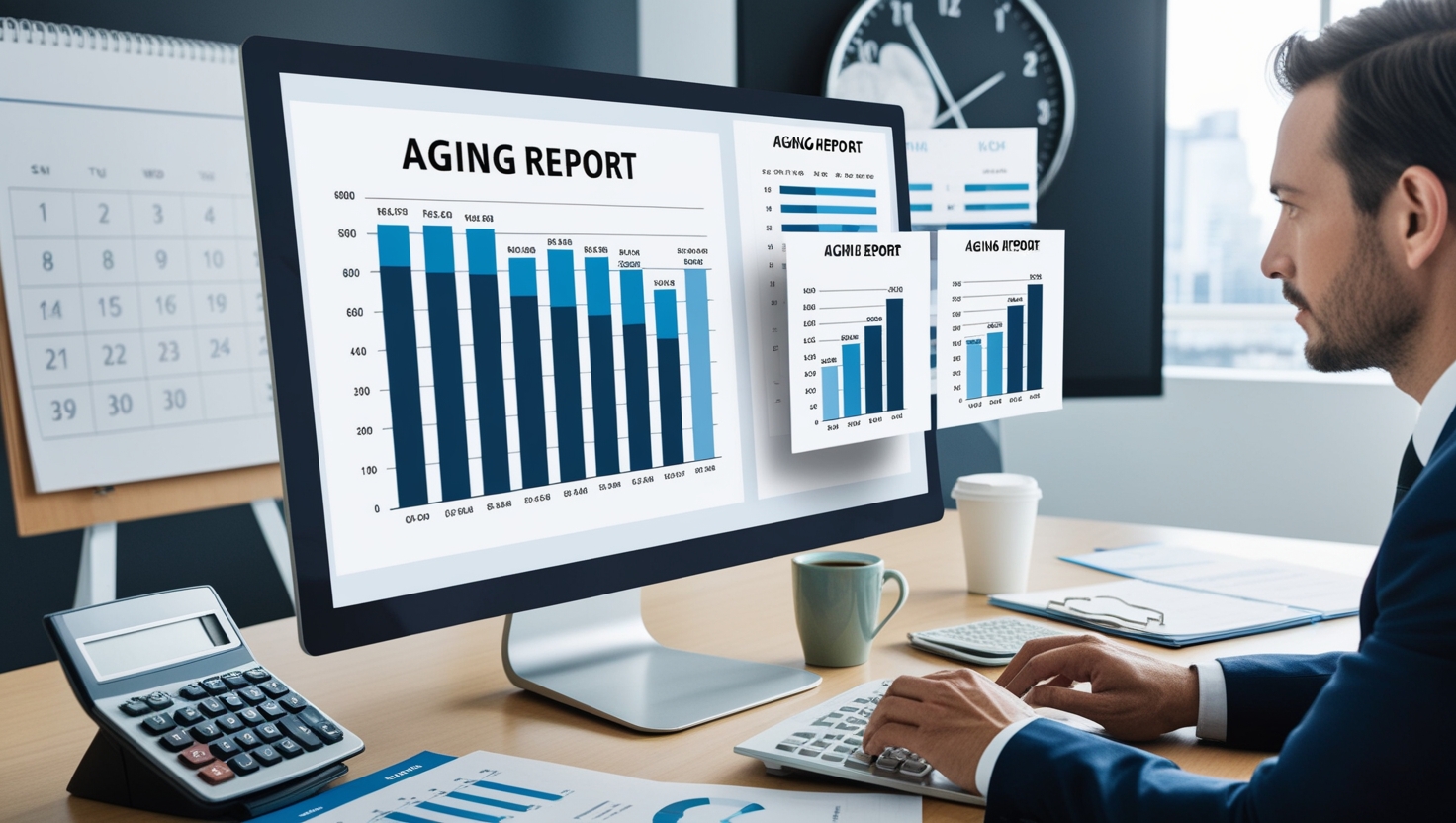
Introduction Aging reports in a financial context refers to the process of categorizing and analyzing outstanding invoices and bills based on the length of time they have been overdue. This concept is crucial for managing accounts receivable and accounts payable, as it helps businesses track overdue accounts, manage cash flow, and make informed decisions about collections and payments. Key Aspects of Aging 1. Aging Reports: Accounts Receivable Aging Report:- Lists outstanding customer invoices by the length of time they’ve been overdue. Common categories include: 0-30 days 31-60 days 61-90 days Over 90 days Accounts Payable Aging Report: Similar to the receivables report but focused on outstanding vendor bills. It helps manage payments to suppliers and ensures bills are paid on time. 2. Aging Buckets: 3. Purpose of Aging: Track Overdue Accounts: Identifies overdue invoices or bills, prompting action on collections or payments. Manage Cash Flow: Offers insights into upcoming cash flow needs. Prioritize Actions: Allows businesses to focus on accounts or bills needing immediate attention based on how long they’ve been overdue. 4. Benefits of Aging Reports Improved Collections: Timely identification of overdue invoices helps reduce the risk of bad debts through proactive collection efforts. Vendor Management: Highlights overdue bills for better management of supplier relationships, ensuring timely payments. Financial Planning: Aids in budgeting and cash flow forecasting by providing a clear picture of outstanding amounts. 5. How Aging Reports are Used Generating Reports: Accounting software like Odoo can generate aging reports on demand. These reports can be customized based on specific periods or needs. Reviewing Reports: Businesses typically review these reports on a regular basis (e.g., monthly) to monitor outstanding amounts. Taking Action: Based on the report, businesses can send payment reminders, negotiate terms, or prioritize vendor payments. Example Scenario A company notices several customer invoices are overdue. After running an accounts receivable aging report, they can see which customers owe money and for how long. Invoices overdue for more than 90 days would be flagged for urgent follow-up. Similarly, overdue vendor bills might be prioritized for payment to avoid late fees or disruptions in supply. In summary, aging is a crucial financial tool that helps businesses manage their receivables and payables by providing insights into overdue amounts. This helps improve cash flow management, enhance collections, and optimize financial operations. At DiracERP Solution , we have implemented end to end accounting and finance at large organisations. For further information please connect with us at our website DiracERP.com or Call +91-8077-032513 +91-124-402-8674
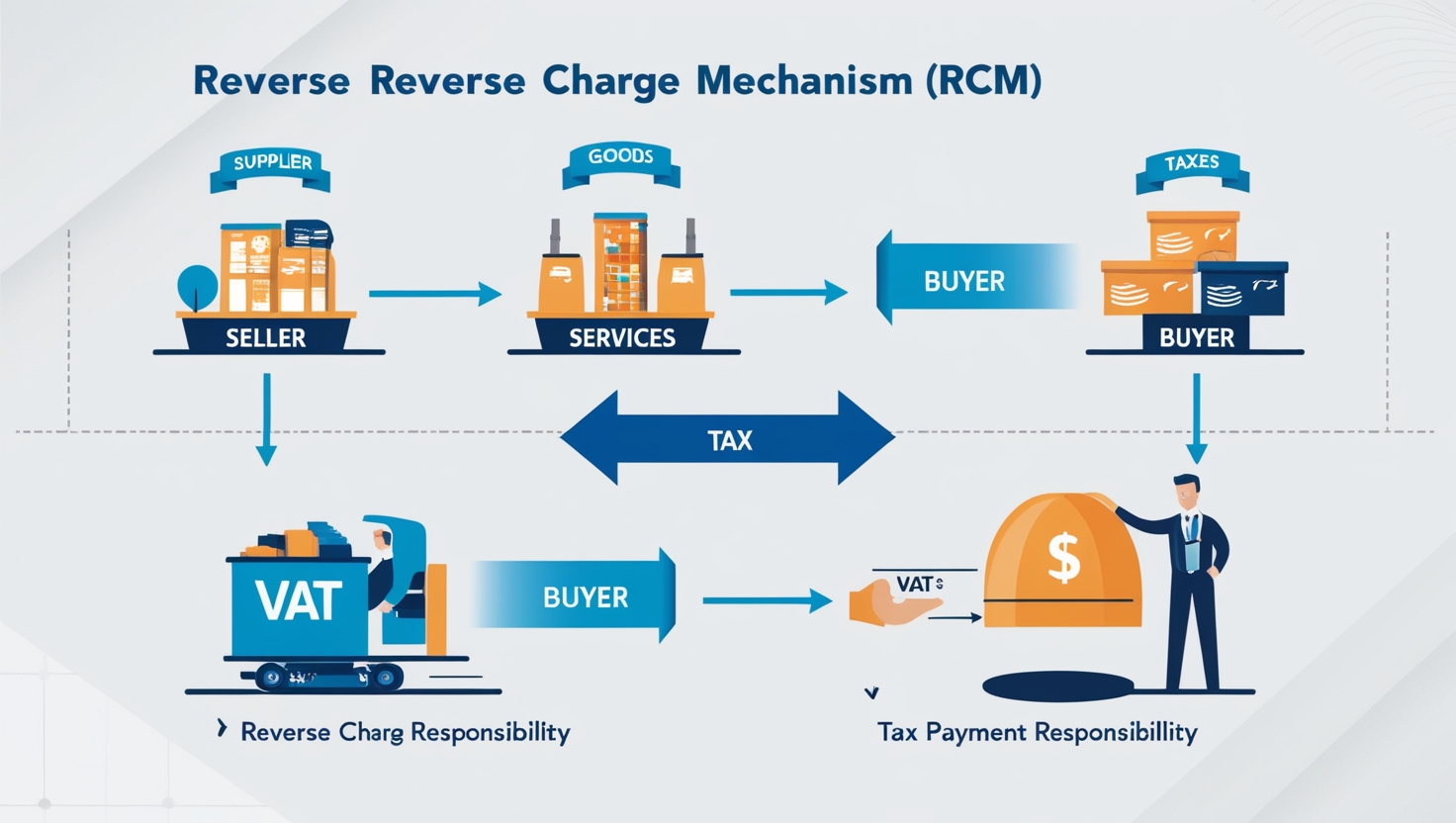
Understanding the Reverse Charge Mechanism (RCM): Shifting Tax Liability to the Buyer
Introduction Reverse Charge Mechanism (RCM) is a concept in tax law where the responsibility to pay tax on a transaction shifts from the seller (supplier of goods or services) to the buyer (recipient of the goods or services). This is typically used in value-added tax (VAT) or goods and services tax (GST) systems. Direct RCM is not available in Odoo, DiracERP solution has developed the auto RCM module. This module will help you to manage the reverse tax entry in journals automatically. Key Points about RCM in Tax: 1. Applicability: RCM is usually applied in specific situations, such as transactions involving goods or services from unregistered suppliers, certain types of imports, or specified services. 2. Tax Liability: Under RCM, the buyer is responsible for paying the tax directly to the government, rather than the seller. This is different from the usual practice where the supplier collects the tax from the buyer and remits it to the government. 3. Compliance: The buyer has to ensure proper compliance with RCM rules, including maintaining accurate records and filing necessary returns. 4. Common Use Cases: In some countries, RCM is applied in sectors like construction, import of services, and transactions with unregistered entities. RCM is commonly seen in VAT/GST systems in various countries, including India and the European Union. User Guide Step 1 :- Intall RCM Module Step 2 :- Group Name :- RCM In GST Tax Step 3 :- Open Accounting – Purchase – Direct Bill Step 4 :- Apply Rcm Tax —tick Step 5 :- After Tick – Show RCM Tax and Select the Tax Type Step 6 :- After Apply Rcm Tax – Entry The bill line Step 7 :- Apply TDS Step 8 :- After Apply TDS and Bill Entry , Apply Validate Button Step 9 :- Finally RCM apply and showing Entries Conclusion Effective financial management is crucial for all businesses to stay ahead in today’s competitive market. To streamline your financial accounts processes, you can leverage advanced financial management software solutions like DiracERP’s Financial Management Software for better control and decision-making.
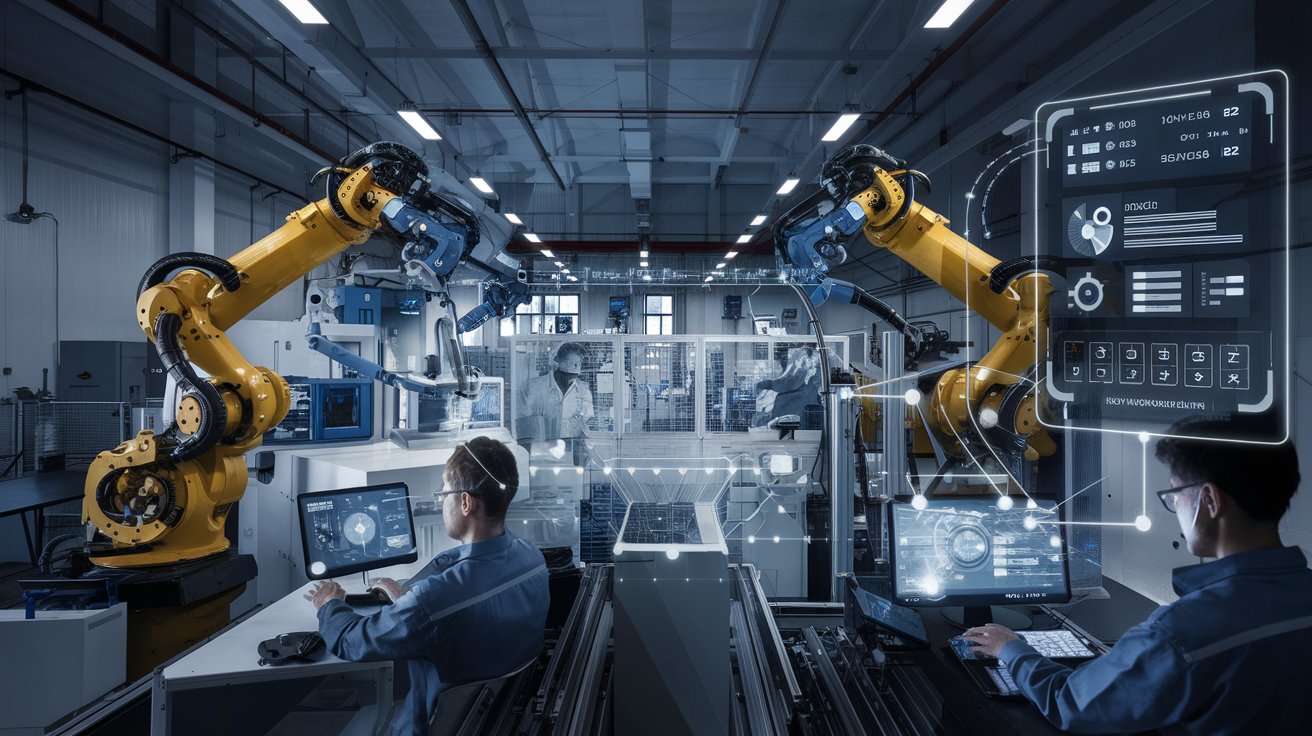
Best ERP Service for Manufacturing Industry
Introduction In the fast-paced world of manufacturing, efficiency, accuracy, and adaptability are key to staying competitive. The best ERP service for manufacturing industry can streamline operations, reduce costs, and boost productivity. DiracERP offers specialized ERP solutions tailored to meet these demands, helping businesses thrive in a complex and evolving market. Understanding ERP in Manufacturing Enterprise Resource Planning (ERP) is a software solution that integrates various business processes into a single system. For manufacturing companies, an ERP system can manage everything from supply chain operations to production planning, inventory control, and customer relationship management (CRM). The goal is to provide a unified platform where all departments can collaborate effectively, leading to improved efficiency and decision-making. Why Choose DiracERP for Your Manufacturing Needs? DiracERP stands out in the ERP landscape by offering tailored solutions that address the unique challenges faced by manufacturing companies. Here’s why DiracERP is the ideal partner for your manufacturing business: 1. Industry-Specific Modules DiracERP understands that no two manufacturing businesses are the same. That’s why we offer customizable modules designed to meet the specific needs of different manufacturing sectors, whether it’s automotive, electronics, textiles, or heavy machinery. 2. Streamlined Production Planning Efficient production planning is crucial for meeting deadlines and managing costs. With DiracERP, you can automate and optimize production schedules, ensuring that resources are used effectively and production runs smoothly. 3. Real-Time Inventory Management Avoid production delays and excess inventory with real-time inventory tracking. DiracERP’s inventory management system keeps you informed about stock levels, order statuses, and supplier lead times, allowing for better decision-making. 4. Quality Control and Compliance Maintaining high product quality and adhering to industry regulations is easier with DiracERP’s quality control module. Monitor production quality at every stage and ensure compliance with industry standards, reducing the risk of recalls and non-compliance penalties. DiracERP proudly launches LookOver, the best mobile application for quality control. 5. Data-Driven Decision Making In the manufacturing industry, data is gold. DiracERP provides powerful analytics and reporting tools that give you insights into every aspect of your operations, from production efficiency to financial performance. Make informed decisions that drive growth and profitability. 6. Scalability and Flexibility As your business grows, so do your needs. DiracERP is designed to scale with your business, offering flexibility to add new modules and functionalities as required. Whether you’re a small manufacturer or a large enterprise, DiracERP can grow with you. Case Study: Success Stories with DiracERP Several manufacturing companies have transformed their operations with DiracERP. For instance, For Read our Success Story Click Here. These companies saw significant improvements in efficiency, cost savings, and overall business performance. Implementation and Support DiracERP doesn’t just provide software; we partner with you through the entire Odoo implementation process. Our team of experts will work closely with your organization to ensure a smooth transition and provide ongoing support to maximize the benefits of your ERP system. Conclusion The manufacturing industry is evolving, and to stay ahead, you need tools that evolve with it. DiracERP offers comprehensive, industry-specific ERP solutions that can transform your manufacturing operations, leading to increased efficiency, better quality control, and greater profitability.
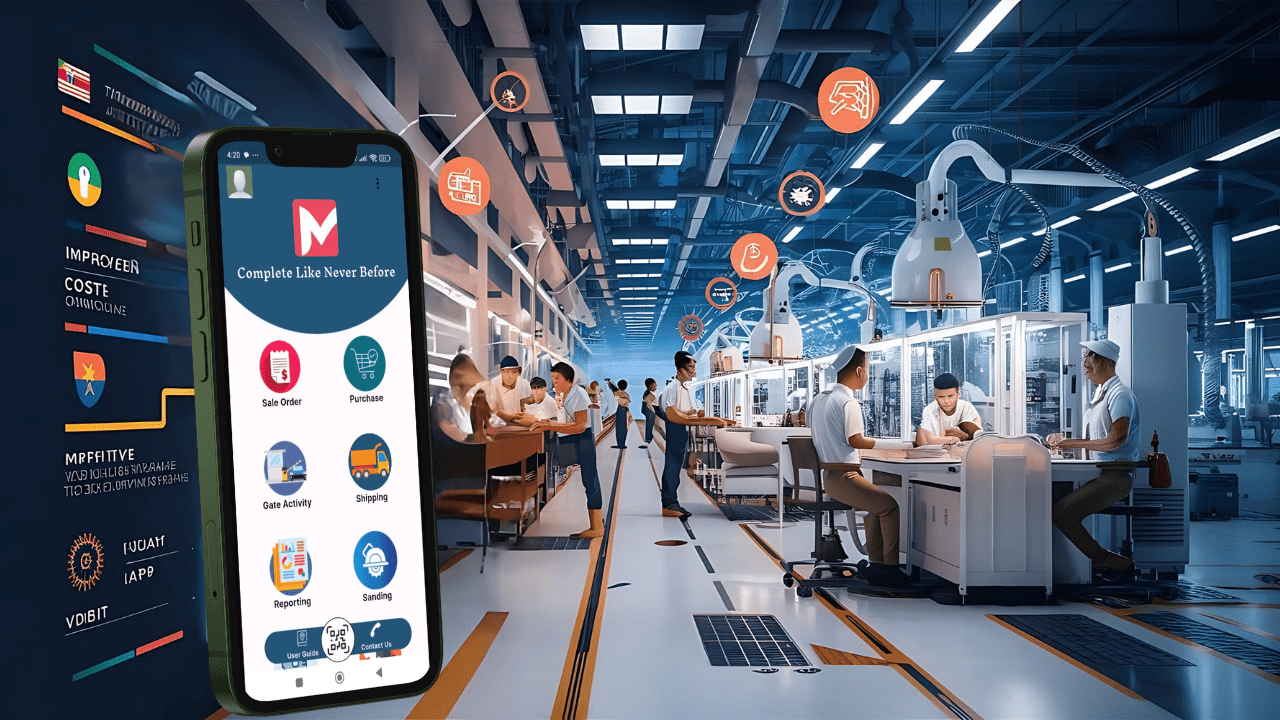
Transforming Furniture Manufacturing: How MAVTRA by DiracERP is Shaping the Future of the Industry
India, one of the largest importers of wood, sees a continually rising demand in various industries such as furniture, paper, toy manufacturing, charcoal, and electrical sectors. These industries require substantial quantities of wood materials annually. Before reaching the market, raw wood undergoes several processes, including cutting, brushing, edging, trimming, and segmenting into smaller, usable parts according to specific needs. Ensuring quality, safety, compliance, and meeting regulatory standards are crucial throughout these stages. DiracERP is a meticulously designed software solution for the wood industry, streamlining these key operations while addressing numerous pain points faced by wood businesses. Wood Industry in India: A Growing Demand MAVTRA by DiracERP for Furniture Manufacturers MAVTRA is an advanced solution tailored for the furniture industry, enabling comprehensive tracking of factory activities, including sales and production. Our system focuses on cost and production control, encompassing nearly every segment of your industry from buyer inquiries to dispatch and payment. Key Features of MAVTRA Our system delivers powerful impacts on your production processes, promising an ROI of at least 10% of your monthly sales by emphasizing the 4Ms: Man, Method, Material, and Money. It optimizes business processes across various departments, ensuring a streamlined flow of information. Departments Covered 1.Product Development and Sampling Efficiently manage product development and sample analysis with real and average pre-costing. 2.Fair Management & Barcodes: Seamlessly handle trade fair management and barcode generation. DiracERP proudly launches SAARANM, the best mobile application for Exhibitions and Fair Management 3.Customer Relationship Management: Enhance customer relations with photo-offers and proforma invoices. 4.Buyer Order Management: Track and manage buyer orders effectively. 5.Production Planning & Inventory Control: Implement time and action plans for production planning and inventory control. 6.Factory Order Management: Oversee factory orders from start to finish. 7.Purchase & Vendor Management: Manage vendor orders and procurement processes. 8.Warehouse Management: Streamline warehouse operations for optimal efficiency. 9.Contractor Bills & Settlement: Handle contractor billing and settlements effortlessly. 10.Packing & Shipping Documentation: Generate packing lists and invoice documents. 11.Post-Shipment Document Tracking: Keep track of post-shipment documents to ensure smooth operations. 12.Accounting & Fund Forecasting: Maintain accurate accounts and forecast funds with precision. 13.Business Intelligence Tools: Utilize powerful BI tools for in-depth analysis. 14.Quality Control: Maintain quality standards at every production stage. Value-Added Modules Email & SMS Integration: Enhance communication with automated email, SMS, and WhatsApp messages. Automated To-Do Lists: Stay organized with automated task lists. Sticky Notes: Manage desk activities with sticky notes. Document Follow-Ups & Group Building: Keep track of document statuses and build collaborative groups. Event & Calendar Management: Plan and manage events with integrated calendars.

Steps to Successful ERP Implementation: A Comprehensive Guide
Successful ERP implementation is a transformative step for any organization. Enterprise Resource Planning (ERP) systems integrate disparate business processes into a single system, streamlining operations and providing real-time insights. But, the path to successful ERP implementation is complex and requires meticulous planning and execution. This guide outlines the essential steps that ensure a smooth and effective ERP implementation, so that your organization can achieve its goals and reap the maximum benefits of this powerful tool. Introduction Definition and Importance of ERP The full form of ERP is “Enterprise Resource Planning.” It is a software solution that automates and integrates all business processes, such as inventory management, finance, human resources, supply chain, and customer relationship management (CRM). An ERP system manages everything through a centralized database, helping a business streamline its operations, save time, and increase accuracy. Brief Overview of the Implementation Process Successfully implementing ERP (Enterprise Resource Planning) is a structured process with multiple steps involved. This process is tailored to improve the efficiency of business. Here are some basic steps: 1. Planning and Preparation The needs of the business are understood first. In this stage, objectives are defined and a roadmap is prepared. Team members are also assigned who will handle this process. 2. Requirement Analysis In this stage the business processes are analyzed in detail so that the requirements of the ERP system can be accurately defined. This stage is critical because it is decided how to customize the system. 3. System Design and Customization Now ERP software is designed and customized according to the unique needs of the business. In this stage, forms, workflows, and modules are designed that are specific to your business. 4. Data Migration Data from the old system has to be transferred to the new ERP system. This is a delicate process in which it is important to ensure accuracy and completeness. 5. Testing The ERP system is thoroughly tested so that there are no bugs or issues. In testing, different scenarios are checked so that the system runs smoothly in real-world conditions. 6. Training and Change Management The team is given training on the new system so that they can use it effectively. This stage helps in familiarizing the employees with the ERP system. 7. Go-Live and Support When everything is ready, the ERP system is officially launched. This stage is called “Go-Live”. Team members are provided support so that any issues that arise can be resolved immediately.
How ERP Systems Have Been a Lifeline for Manufacturers During COVID-19
The COVID-19 pandemic has compelled manufacturers to quickly adapt to a new reality. This shift has underscored the critical role of ERP systems in maintaining business continuity under unprecedented conditions. While ERP’s value in mitigating abrupt changes has always been acknowledged, the pandemic has highlighted its vital role in ensuring operational stability on a global scale. ERP systems, such as those provided by DiracERP, have proven essential in keeping industries functional through remote access, automated reporting, electronic data exchange, and real-time factory controls. These capabilities have never been more critical, as ERP solutions now play a pivotal role in sustaining manufacturing operations worldwide. Sustaining Manufacturing Amidst a Global Pandemic Key Contributions of ERP Systems During COVID-19 1. Empowering Employees to Work from Home With the need to minimize on-site personnel, ERP systems have enabled front office staff to work from home without disrupting business operations. For example, Sushil Udhyog, a leading manufacturer in Jodhpur, India, utilizes DiracERP to allow its employees to access their ERP system remotely. This access enables them to monitor job statuses, inventory, and order completion from their mobile devices, ensuring seamless operation and customer satisfaction even during the pandemic. 2. Keeping Production on Track Managing factory floors remotely presents significant challenges. However, ERP systems minimize the number of on-site staff required by optimizing work schedules, material handling, and real-time equipment monitoring for output, quality, and maintenance issues. This real-time monitoring has become a critical tool for maintaining production continuity with minimal on-site workers. 3. Managing Shifts in Demand The pandemic has caused sudden shifts in demand patterns. While some manufacturers have seen demand drop, others have experienced spikes. Companies like Dezaro ~ Decor & Furniture and Rishabh Handicraft have adapted by utilizing DiracERP to manage their operations efficiently, even launching new product lines, such as mask manufacturing, to meet changing market needs. ERP systems help businesses adapt to these fluctuations by streamlining raw material supplies, scheduling, and personnel management. Looking Ahead: The Future of ERP Systems Post-pandemic, businesses will return to more normal operations but will be fortified by the lessons learned during this period of remote work and maximized technology use. Manufacturers’ perception of ERP systems will evolve, recognizing them not only for profitability and customer service but also as essential tools for business continuity in the face of sudden changes. ERP solutions are now seen as indispensable safety nets, capable of responding to and overcoming unforeseen events. ERP as a Catalyst for Recovery for SMEs For midsize companies, ERP systems are crucial in navigating the challenges posed by COVID-19 and fueling recovery. The pandemic has necessitated significant changes across various business processes. To thrive in the next normal, companies must focus on resilience, agility, and instant insight, moving beyond traditional practices designed for scalability and cost savings. Cloud-based ERP solutions, like those offered by DiracERP, provide the flexibility needed to scale operations and respond to market fluctuations. For instance, BASANT Industries leveraged DiracERP to digitize their end-to-end processes, enhancing decision-making, standardizing workflows, and improving productivity through data analytics. Implementing cloud-based ERP systems offers midsize companies the transparency needed to understand their performance, identify opportunities and risks, and manage inventory effectively. This level of insight is crucial for surviving disruptions, expanding into new markets, and accelerating growth. ERP systems are more than just technology; they are enablers that help businesses adapt to change, optimize operations, and ensure long-term success.